solvent flexo ink
Solvent flexo ink is a printing ink where organic solvents (such as ethyl acetate, isopropyl alcohol, toluene, or ketones) act as the carrier for pigments and resins. After printing, the solvent evaporates, leaving a dry resin film on the substrate. This ink type is known for its excellent adhesion to a wide range of plastic films, including polyethylene, polypropylene, PET, nylon, and cellophane, making it a staple in the flexible packaging industry.
The formulation typically includes nitrocellulose, polyamide, or polyurethane resins, along with plasticizers, waxes, and pigments. Solvent blends are carefully designed to achieve the right evaporation rate (fast for high-speed presses, slow for better flow and leveling). The ink viscosity is low, allowing high transfer efficiency and fine dot reproduction. However, solvent inks release VOCs that require solvent recovery or incineration systems for environmental compliance.
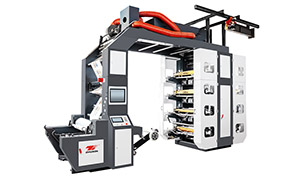
High Speed Flexo Printing Machine - Stack Flexo Flexo Printing Machine
Key advantages: fast drying at moderate temperatures (40-80°C), excellent wetting of non-porous surfaces, good adhesion and bond strength, and ability to withstand heat-sealing and lamination processes. They are also less sensitive to substrate surface energy variations compared to water-based inks, making them robust for outdoor and industrial applications.
Disadvantages include high VOC emissions, flammability, toxicity, and the need for explosion-proof equipment and solvent storage. The cost of solvent recovery (e.g., carbon adsorption, thermal oxidation) adds operational expense. Also, residual solvent odor may be an issue for food packaging unless thoroughly dried. Regulatory pressure is increasing, leading many converters to switch to water-based or UV alternatives.
Typical applications: snack food bags, confectionery wrappers, shrink labels, industrial bags, metallized films, and multi-layer laminates. Solvent inks offer outstanding print clarity and color intensity, especially for photographic images and fine text on transparent films. They are also used for reverse printing on film before lamination to protect the printed surface.
Safety and handling: Press areas must have adequate ventilation, explosion-proof motors, and grounding systems. Personal protective equipment (gloves, goggles, respirators) is mandatory. Solvent storage must be in flame-proof cabinets with spill containment. Regular monitoring of solvent vapor concentrations is required. Disposal of solvent waste must follow hazardous waste regulations.
Maintenance: Anilox and plate cylinders should be cleaned with dedicated solvent-based cleaners, but care must be taken not to damage ceramic coatings. Doctor blades wear faster due to solvent swelling; inspect and replace frequently. Drying ovens must have temperature control and airflow monitoring to ensure complete evaporation. Despite environmental challenges, solvent flexo inks remain essential for high-performance industrial and flexible packaging where other inks cannot meet the durability and adhesion requirements.