flexo vs offset
This webpage provides an in - depth comparison between flexo and offset printing, covering aspects such as print quality, cost, substrate compatibility, and production speed to help you choose the right printing method.
Flexo printing, short for flexographic printing, uses flexible relief plates to transfer ink onto the substrate. It is known for its high - speed production capabilities and is widely used in packaging, label printing, and newspaper production. Offset printing, on the other hand, relies on the principle of oil - and - water repulsion. It transfers ink from a metal plate to a rubber blanket and then onto the substrate, offering high - quality prints with fine details and a wide color gamut.
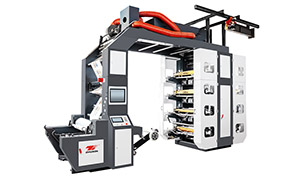
High Speed Flexo Printing Machine - Stack Flexo Flexo Printing Machine
In terms of print quality, offset printing generally has an edge. It can produce very sharp text and high - resolution images, making it suitable for applications where fine details are crucial, such as high - end magazines and art prints. Flexo printing has improved significantly over the years, but it may still show some limitations in reproducing extremely fine details, especially on rough or uneven substrates. However, for many packaging and label applications, the print quality of flexo is more than sufficient.
When it comes to cost, flexo printing has several advantages. The setup costs for flexo are relatively lower compared to offset printing, especially for short - to medium - run jobs. Flexo plates are less expensive to produce and can be changed more quickly, reducing downtime. Additionally, flexo printing can handle a wider range of substrates, including non - absorbent materials like plastic films, without the need for special coatings or treatments. Offset printing, while offering high - quality results, often requires more expensive plates and longer setup times, making it more cost - effective for long - run jobs.
Substrate compatibility is another area where flexo printing shines. It can print on a vast array of materials, from paper and cardboard to various types of plastics, metals, and even corrugated board. This versatility makes it ideal for the packaging industry, where different materials are used for different products. Offset printing is mainly suitable for smooth, absorbent substrates like paper. While there are offset presses that can print on some non - absorbent materials, they usually require additional processing steps and may not achieve the same level of quality as flexo on these substrates.
In conclusion, both flexo and offset printing have their own strengths and weaknesses. The choice between the two depends on factors such as the required print quality, production volume, substrate type, and budget. By carefully considering these factors, you can select the printing method that best meets your specific needs.