flexo vs digital
This page offers a detailed comparison between flexo and digital printing, exploring aspects like print quality, cost - effectiveness, production flexibility, and environmental impact to assist you in making an informed decision.
Flexo printing is a traditional printing process that uses flexible relief plates to transfer ink onto the substrate. It is well - established in industries such as packaging, label printing, and newspaper production due to its high - speed capabilities and ability to handle large - volume jobs. Digital printing, in contrast, is a more modern technology that prints directly from digital files without the need for plates. It offers on - demand printing and quick turnaround times, making it popular for short - run and customized printing projects.
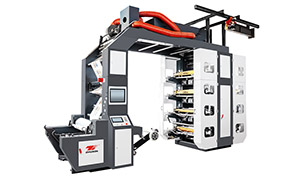
High Speed Flexo Printing Machine - Stack Flexo Flexo Printing Machine
In terms of print quality, digital printing has made significant strides in recent years. It can produce high - resolution prints with vibrant colors and fine details, especially for small - to medium - sized prints. However, for large - format prints or prints on certain substrates, flexo printing may still offer better color consistency and durability. Flexo printing can also achieve a wider range of special effects, such as metallic inks and spot varnishes, which may be more challenging or expensive to replicate with digital printing.
Cost - effectiveness is a crucial factor in the printing industry. For short - run jobs, digital printing is often more cost - effective as it eliminates the need for plate - making costs and reduces setup time. You can print a small quantity of items without incurring significant upfront expenses. On the other hand, for long - run jobs, flexo printing becomes more economical. The cost per unit decreases as the volume increases, and the high - speed production capabilities of flexo presses allow for efficient large - scale production.
Production flexibility is another area where the two methods differ. Digital printing offers great flexibility in terms of customization. You can easily change the content, design, or color of each print without stopping the production process. This makes it ideal for personalized marketing materials, variable - data printing, and on - demand printing services. Flexo printing, while less flexible in terms of instant customization, can handle a wide variety of substrates and print sizes. It is well - suited for standardized packaging and label production where consistency is key.
From an environmental perspective, both methods have their pros and cons. Digital printing generates less waste as it does not require plates, and it can use eco - friendly inks. However, the energy consumption of digital printers can be relatively high. Flexo printing, on the other hand, can use water - based or solvent - free inks, reducing the emission of harmful volatile organic compounds (VOCs). The plates used in flexo printing can also be recycled, but the production process may generate more waste in terms of ink and substrate scraps. In conclusion, the choice between flexo and digital printing depends on your specific requirements, including print quality, volume, customization needs, and environmental considerations.