flexo printing cost
This webpage provides a comprehensive guide to understanding flexo printing costs, covering the main factors that influence cost and offering tips on how to optimize costs for your printing projects.
Flexo printing is a popular printing method used in various industries, but understanding its cost structure is essential for effective budgeting and cost control. The cost of flexo printing can be divided into several main components, including equipment costs, plate - making costs, ink costs, substrate costs, and labor costs.
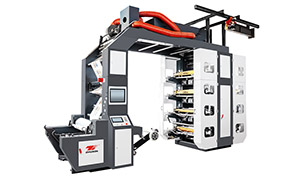
High Speed Flexo Printing Machine - Stack Flexo Flexo Printing Machine
Equipment costs are a significant part of the overall flexo printing cost. The initial investment in a flexo press can vary widely depending on its size, speed, and features. High - end, large - scale flexo presses are more expensive but can handle higher production volumes and offer more advanced capabilities. In addition to the press itself, other equipment such as plate - making machines, drying systems, and quality - control devices also contribute to the equipment costs. However, these costs are usually spread over the lifespan of the equipment and can be amortized over multiple printing jobs.
Plate - making costs are another important factor. Flexo plates are made from materials such as rubber or photopolymer and need to be created for each printing job. The cost of plate - making depends on the size and complexity of the plates, as well as the plate - making technology used. Computer - to - plate (CTP) technology has reduced plate - making time and costs compared to traditional methods, but it still represents a significant expense, especially for short - run jobs. To optimize plate - making costs, you can consider reusing plates when possible, using standard plate sizes, and working with a reliable plate - making supplier.
Ink costs are a variable component of flexo printing costs. The type and quantity of ink used depend on the print job requirements, such as the number of colors, the substrate type, and the desired print quality. Water - based inks are generally more cost - effective and environmentally friendly than solvent - based inks, but they may have limitations in terms of adhesion and durability on certain substrates. To control ink costs, you can optimize ink usage by adjusting the anilox roller settings, using the right ink viscosity, and minimizing ink waste during the printing process.
Substrate costs also play a crucial role in flexo printing costs. The choice of substrate depends on the application, such as packaging, labels, or newspapers. Different substrates have different prices, and the cost can vary based on factors such as material type, thickness, and quality. To reduce substrate costs, you can explore alternative materials, negotiate better prices with suppliers, and optimize the substrate usage by minimizing waste during cutting and printing. Labor costs are the final major component. Skilled operators are required to run the flexo press, perform plate - mounting, and carry out quality - control checks. The cost of labor depends on factors such as the number of operators, their skill level, and the working hours. To optimize labor costs, you can invest in operator training to improve efficiency, automate some of the processes where possible, and合理安排工作时间 to avoid overtime costs. By understanding and managing these cost components, you can effectively control and optimize flexo printing costs for your projects.