flexo printer
A flexo printer is a specialized machine designed for high-quality, high-speed printing on flexible substrates. It uses soft rubber or photopolymer plates that wrap around cylinders, allowing direct contact with the substrate. This makes it highly versatile for packaging, labels, and industrial printing applications.
The flexo printer's key components include the anilox roller (for ink metering), doctor blade (for excess ink removal), plate cylinder (holding the printing plate), impression cylinder (providing backing pressure), and drying units (hot air, IR, or UV). The interaction between these elements determines print resolution, color consistency, and overall efficiency.
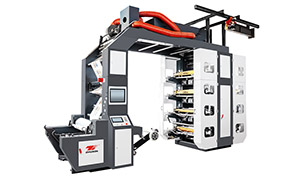
High Speed Flexo Printing Machine - Stack Flexo Flexo Printing Machine
Setup procedures involve mounting plates with correct tension, setting anilox-to-plate nip pressure, adjusting impression cylinder force, and calibrating register marks. Modern flexo printers often have touchscreen interfaces with preset job memories, enabling quick changeovers between different print jobs in under 10 minutes.
Operational best practices: maintain consistent ink viscosity using automatic viscometers, keep anilox cells clean with dedicated brushes or ultrasonic baths, and replace doctor blades at regular intervals to avoid streaks. Temperature and humidity control in the printing environment also affects ink drying and substrate dimensional stability.
Common substrates printed by flexo printers include polyethylene, polypropylene, PET films, paper, kraft board, nonwoven fabrics, and metallized foils. For each substrate, appropriate plate hardness, ink type (water-based, solvent, or UV), and drying settings must be selected to achieve optimal adhesion and scratch resistance.
Regular maintenance: daily wipe down of rollers, weekly lubrication of bearings, monthly inspection of gear backlash, and quarterly replacement of filters and seals. A well-maintained flexo printer can deliver millions of impressions with minimal defects, making it a reliable investment for medium to large print shops.