flexo plate mounting
This webpage focuses on flexo plate mounting, providing detailed information on different plate mounting techniques, the selection of mounting materials, and quality - control measures to ensure accurate and consistent plate mounting for high - quality flexo printing.
Flexo plate mounting is a critical step in the flexo printing process, as it directly affects the registration accuracy and print quality. The goal of plate mounting is to attach the flexo plate firmly and accurately to the plate cylinder, ensuring that the image on the plate is in the correct position and orientation for printing. There are several plate mounting techniques available, each with its own advantages and disadvantages.
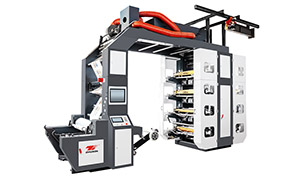
High Speed Flexo Printing Machine - Stack Flexo Flexo Printing Machine
One common plate mounting technique is double - sided tape mounting. This method involves using a double - sided adhesive tape to attach the flexo plate to the plate cylinder. Double - sided tapes come in different thicknesses and adhesive strengths to suit different printing applications. The advantages of double - sided tape mounting include its simplicity, cost - effectiveness, and the ability to achieve good initial adhesion. However, it may be less suitable for long - run printing jobs, as the tape can lose its adhesive properties over time, leading to plate lifting or movement during printing. To use double - sided tape mounting, first, clean the plate cylinder and the back of the flexo plate to remove any dust, oil, or debris. Cut the double - sided tape to the appropriate size and apply it evenly to the back of the plate. Carefully position the plate on the plate cylinder, starting from one end and gradually pressing it down to ensure good contact with the tape. Use a roller or a plate - mounting press to apply even pressure across the entire plate surface to ensure proper adhesion.
Another plate mounting technique is liquid adhesive mounting. This method uses a liquid adhesive to bond the flexo plate to the plate cylinder. Liquid adhesives offer several advantages over double - sided tapes, such as better long - term adhesion, the ability to fill small gaps or irregularities on the plate or cylinder surface, and the option to adjust the adhesive thickness. However, liquid adhesive mounting requires more skill and experience, as the adhesive needs to be applied evenly and allowed to cure properly. To perform liquid adhesive mounting, clean the plate cylinder and the plate as described above. Apply the liquid adhesive to the back of the plate using a brush or a spray gun, ensuring an even coating. Position the plate on the plate cylinder and apply pressure to squeeze out any excess adhesive. Allow the adhesive to cure according to the manufacturer's instructions before starting the printing process.
The selection of mounting materials is also crucial for successful plate mounting. In addition to double - sided tapes and liquid adhesives, other materials such as mounting sleeves and registration systems may be required. Mounting sleeves are used to fit over the plate cylinder and provide a smooth, consistent surface for plate mounting. They can improve registration accuracy and reduce the risk of plate damage. Registration systems, such as pins or magnetic systems, help to ensure that the plate is positioned accurately on the plate cylinder. Quality - control measures are essential throughout the plate mounting process. Inspect the plate and the plate cylinder for any defects or damage before mounting. Check the registration marks on the plate to ensure that they are clear and accurate. After mounting, perform a registration check by printing a test pattern and measuring the alignment of the different colors. Make any necessary adjustments to the plate position or mounting pressure to achieve accurate registration. By following proper plate mounting techniques, selecting the right mounting materials, and implementing quality - control measures, you can ensure accurate and consistent plate mounting, leading to high - quality flexo prints.