flexo label printing
Flexo label printing is the dominant technology for producing self-adhesive, pressure-sensitive, and sleeve labels used across consumer goods, pharmaceuticals, logistics, and industrial applications. Using flexible photopolymer plates and fast-curing inks, flexo presses deliver high-quality graphics, precise die-cutting, and efficient converting in one continuous inline process, making it the preferred choice for both short and medium runs.
The typical label production workflow involves unwinding a roll of label stock (paper, film, or synthetic), printing with multiple color decks (usually 4 to 10), applying varnish or lamination, rotary die-cutting to shape, removing waste matrix, and rewinding into finished rolls. Inline inspection cameras verify print quality and register marks, ensuring every label meets specifications before shipping to filling lines or end users.
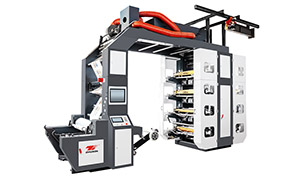
High Speed Flexo Printing Machine - Stack Flexo Flexo Printing Machine
Key material types include paper labels (matte, gloss, thermal transfer), film labels (polyethylene, polypropylene, PET, vinyl), and eco-friendly options like biodegradable films or recycled content. The adhesive system can be permanent, removable, freeze-temp, or high-tack, depending on application. The face stock must be compatible with the ink system (water-based for paper, UV for films, solvent for durable outdoor labels).
Ink selection is critical: UV flexo inks offer excellent gloss, scratch resistance, and adhesion to films, and they cure instantly, enabling high speeds. Water-based inks are popular for paper labels due to their low odor and environmental profile, though they require more drying energy. Solvent-based inks are used for industrial labels requiring chemical resistance. Metallic and specialty effects (cold foil, screen printing, tactile varnish) are often integrated into the flexo line to create premium decorative labels.
Die-cutting and finishing: Rotary die-cutting is the standard method, using magnetic or solid dies to cut the label shape. Waste matrix is stripped off and rewound separately. Additional options include sheeting (for cut-stack labels), fan-folding, and mini-rolls for automatic applicators. Lamination with clear film adds protection, while overprint varnish enhances gloss or matte finish. Advanced machines also include RFID insertion or variable data printing (barcodes, QR, serial numbers) via inkjet modules.
Quality control: Automated inspection systems detect hickeys, color variation, misregister, and die-cut defects. Color management is performed with spectrophotometers and closed-loop density control. For prime labels (food, beverage, cosmetics), consistency across runs is paramount. Regular calibration of anilox rollers, doctor blades, and impression cylinders ensures repeatable quality.
Market trends: Digital hybrid presses combine flexo with inkjet for personalization and versioning. Shrink sleeve labels are growing, requiring specific inks and curing for heat-sensitive films. Sustainability drives demand for water-based inks, recyclable films, and thinner face stocks. Flexo label printing continues to evolve with automation, AI-driven job setups, and eco-friendly materials, maintaining its leadership in the label industry due to its balance of cost, quality, and speed.