Used Flexo Press for Sale: Technical Inspection and Condition Assessment Guide
Buying a used flexo press can be a cost-effective alternative to new, but it carries risks. A thorough technical inspection is essential to assess the press's condition and remaining useful life. This article provides a detailed inspection checklist for used presses.
First, review the press's history: age, total operating hours, number of past owners, maintenance records, and any major repairs. Ask for log files that show downtimes and error codes. A press that was maintained by a reputable service provider is preferable. Check the original specifications vs. current configuration; any modifications may affect performance.
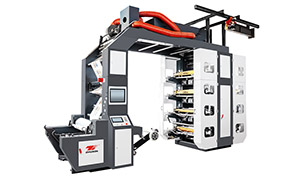
High Speed Flexo Printing Machine - Stack Flexo Flexo Printing Machine
Mechanical inspection: Run the press at low speed and listen for unusual noises (grinding, knocking). Check the side frames for cracks or repairs. Measure the run-out (TIR) of the impression cylinder and plate cylinders using a dial gauge; acceptable TIR is <0.01 mm. Inspect the bearings for play; excessive play indicates wear. Check the gearbox for oil leaks and gear backlash; a simple test is to move the cylinder by hand and measure the free play.
Anilox rollers: These are the most expensive consumable. Remove the anilox and inspect the ceramic surface for scratches, chips, or wear. Measure the cell volume using a microscope or a dedicated cell volume tester; compare to the original spec. If the volume is reduced by >15%, the anilox needs replacement (costly). Check the bearing journals for wear.
Doctor blade and chamber: Inspect the blade holder for corrosion or wear. The chamber seals should be intact; leaks indicate wear. The condition of the doctor blade itself is less important as it is replaceable, but the blade anvil should be smooth.
Electrical and control system: Check all motors and drives for proper operation. Test the servo motors for responsiveness and noise. The control panel should be free of burnt components. Verify that the software version is up-to-date and that all sensors (tension, register, cameras) are functional. A modern control system with good software is a plus; obsolete systems may be difficult to support.
Drying/curing system: For hot air, check the heater elements, fan blades, and air nozzles for blockages. For UV, check the lamp hours and ballasts; mercury lamps may need replacement. The cooling system (chillers) should be tested.
Performance verification: Run a test job with a standard substrate and compare the quality (density, dot gain, register) to the press's original capability. Measure the repeat length accuracy and the waste during setup. This will reveal any hidden issues.
Documentation: Ask for original manuals, electrical schematics, and parts lists. A press with good documentation is easier to maintain. Also, check the availability of spare parts from the manufacturer; some older models may have obsolete parts. By conducting a thorough inspection, buyers can avoid purchasing a "lemon" and negotiate a fair price based on the actual condition.