Structural Design and Dynamic Balance Technology of Flexo Printing Plate Cylinder
This technical article analyzes structural composition of flexo plate cylinder, explains hazards of cylinder circular runout error, and introduces dynamic balance and precision calibration technology to improve printing stability.
Flexo plate cylinder is the core roller component used to install and fix flexo printing plates, directly determining printing repeat length, pattern position accuracy and printing pressure uniformity. The plate cylinder consists of metal roller base, air inflation shaft, positioning fixture and surface adhesive tape mounting area, with strict mechanical precision requirements for all parts.
Circular runout error of plate cylinder is the main mechanical fault causing periodic printing defects. Tiny radial runout of plate cylinder will lead to periodic fluctuation of printing pressure in each rotation cycle, generating regular transverse light and dark stripes on printed substrates and affecting multi-color register stability severely.
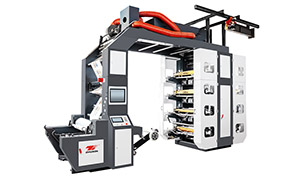
High Speed Flexo Printing Machine - Stack Flexo Flexo Printing Machine
Precision dynamic balance calibration process for plate cylinder. After finishing mechanical processing, each plate cylinder undergoes high-speed dynamic balance detection. Counterweight holes are drilled on cylinder end face to eliminate unbalanced mass, controlling final dynamic balance error below 0.3g·cm to avoid high-speed rotation vibration.
Inflatable air shaft structure design for fast plate mounting. Modern servo
flexo plate cylinders adopt inflatable air shaft structure. After plate mounting is completed, inflation locks the mounting sleeve tightly to avoid relative displacement between printing plate and cylinder during high-speed rotation. It improves plate position stability compared with traditional mechanical locking structure.
Thermal expansion compensation design of plate cylinder. Metal plate cylinder expands with heat during long-time high-speed operation, changing actual printing repeat length. The temperature sensor monitors cylinder surface temperature in real time, and the servo system compensates electronic repeat length automatically to offset thermal expansion dimensional change.
Surface roughness standard of plate cylinder mounting area. The cylinder surface maintains fixed roughness to ensure firm bonding with double-sided mounting tape. Excessively smooth surface causes tape slipping; excessively rough surface damages tape structure and reduces bonding durability. Standard surface roughness ensures long-term stable plate mounting effect.