Flexo Printing Machine Supplier: Selection Criteria and Partnership Evaluation
The supplier of a flexo printing machine is more than a vendor; they are a long-term partner in productivity. The selection should be based not only on the machine's specs but also on the supplier's capabilities in support, training, and continuous improvement. This article provides a framework for evaluating suppliers.
First, assess the supplier's technical support network. Is there a local service office or a regional hub? What is the average response time for a service call? Do they offer remote diagnostics? A supplier with 24/7 support and a good spare parts inventory in your region is preferable. Check if they provide on-site commissioning and training.
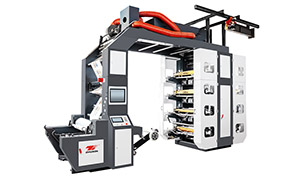
High Speed Flexo Printing Machine - Stack Flexo Flexo Printing Machine
Supply chain and logistics: Does the supplier have a stable supply chain for components? Are there any potential geopolitical risks that could affect delivery? Ask about the lead time for ordering spare parts; some suppliers have just-in-time delivery, others require stockpiling. The supplier's financial stability is also important – a struggling supplier may not survive to support you.
Training programs: The supplier should offer comprehensive operator and maintenance training, both at their factory and on-site. The training should cover not just machine operation but also troubleshooting and preventive maintenance. Ask about training materials (manuals, videos) and whether they provide refresher courses.
Customization and flexibility: Can the supplier tailor the press to your specific needs? For example, adding a special coating station, modifying the web path, or integrating with your existing MES. A supplier that is willing to customize demonstrates engineering capability and customer focus.
References and reputation: Ask for references from existing customers, preferably in the same industry. Visit a customer site to see the press in operation and discuss their experience with the supplier. Check online forums and industry reviews. The supplier's reputation for reliability, honesty, and after-sales support is crucial.
Continuous improvement: Does the supplier have an R&D roadmap? Do they offer upgrade kits for older machines? A supplier that innovates will keep your machine current and extend its useful life. Ask about their investment in software updates and new features.
Contract terms: Review the warranty, service level agreement (SLA), and payment terms. The SLA should specify response times, coverage (parts and labor), and exclusions. Consider a maintenance contract for peace of mind. Also, check the termination clauses and the process for dispute resolution.
By thoroughly evaluating suppliers on these criteria, converters can choose a partner that will support their production for years, reducing downtime and improving profitability.